Cranial Osteopathy 

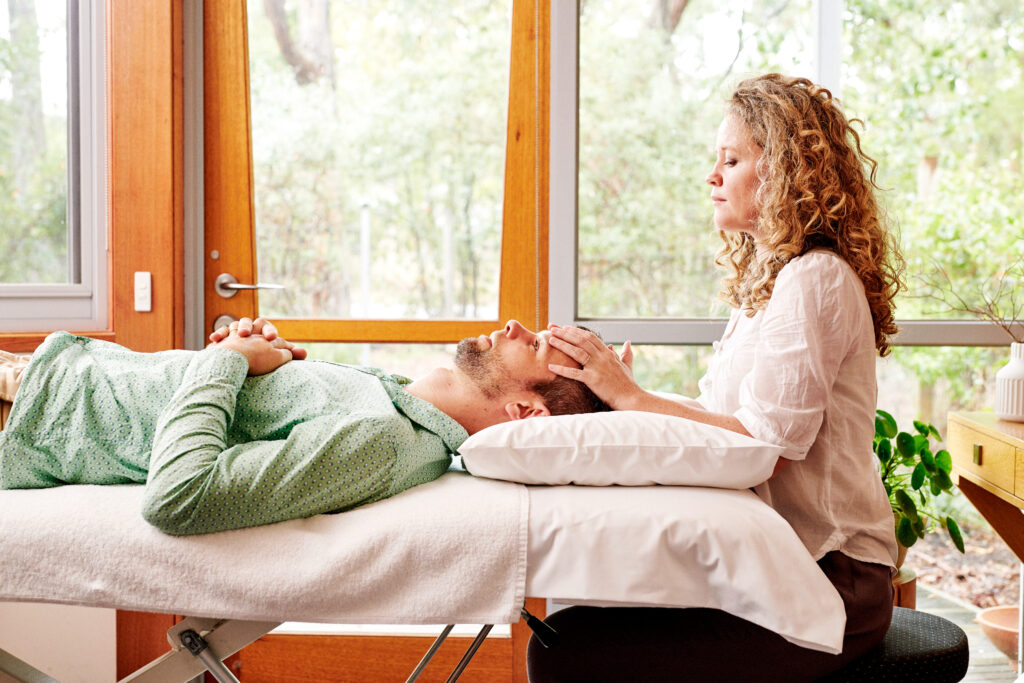
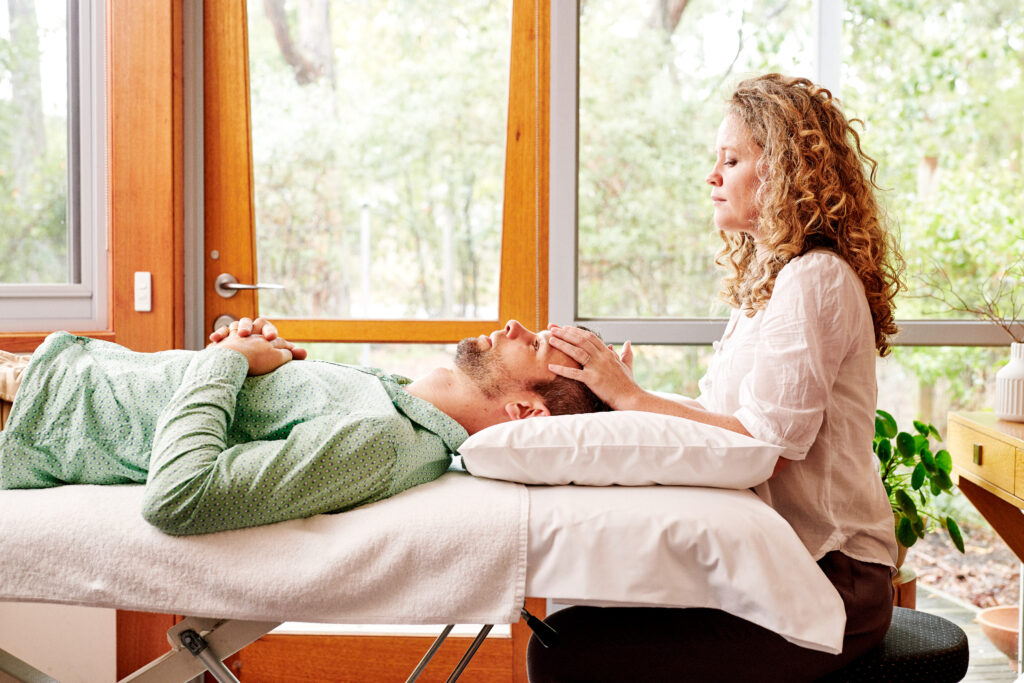
Cranial osteopathy is a specialised form of osteopathic treatment that focuses on gentle manipulation of the cranial bones, cranial membranes, spine, and sacrum to address imbalances in the body’s structure and promote overall health.

This holistic approach aims to restore balance within the body, improve circulation, and support the body’s natural healing processes.


“Be still and know, listen with your hands, see with your fingers.” Dr William Garner Sutherland.”

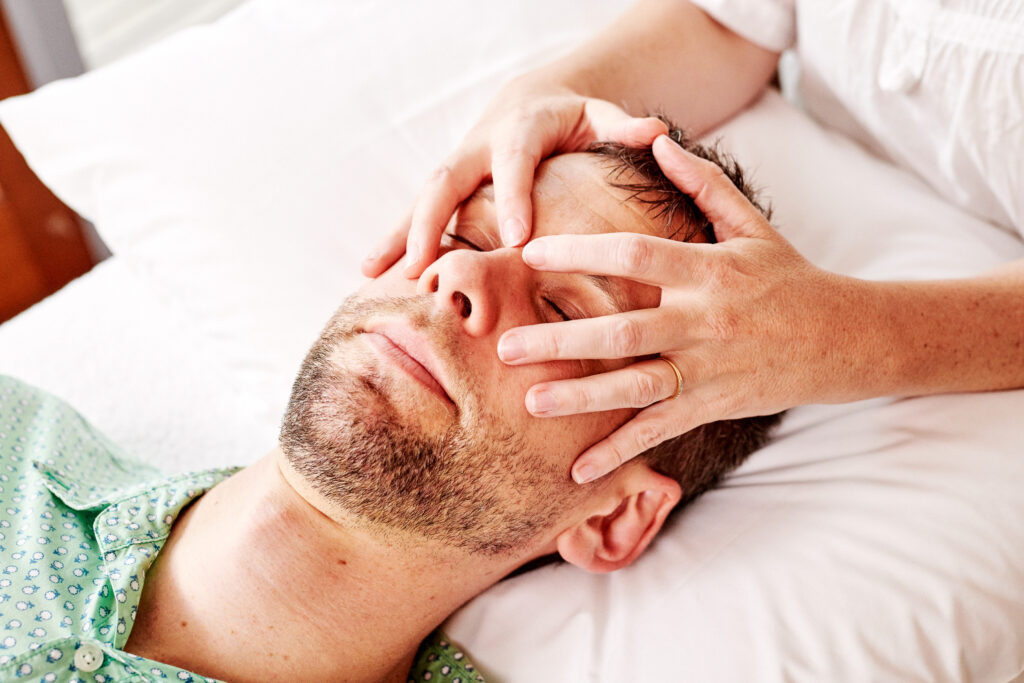
Cranial osteopathy is a subtle and distinctive branch of osteopathic medicine that focuses on the gentle manipulation of the cranium and the membranes of the cranial system and its connections to the rest of the body. Rooted in the principles of osteopathy, cranial osteopathy seeks to restore and maintain the body’s innate balance and health by working with the movement of the cranial bones, the spine, and the sacrum. While its techniques may appear soft and understated, cranial osteopathy can have profound effects on physical and emotional wellbeing.

Cranial osteopathy may assist in alleviating conditions such as headaches, TMJ disorders, sinus issues, stress, musculoskeletal pain, and more. With a gentle and non-invasive treatment approach suitable for all ages, cranial osteopathy aims to promote holistic health and well-being by supporting the body’s innate ability to heal and function optimally.
Some of the conditions that cranial osteopathy may be beneficial include:

  • Cranial osteopathy is used to address a wide variety of conditions, both acute and chronic. Some of the most common include:

  • Headaches and migraines: Tension headaches, sinus headaches, and migraines are often treated using cranial techniques, which seek to release pressure and improve blood flow within the head and neck.

  • Jaw pain and temporomandibular joint (TMJ) dysfunction: Gentle manipulation can help alleviate jaw tension, bite problems, and associated symptoms like ear pain or headaches.

  • Neck and back pain: Chronic tension and postural imbalances affecting the spine and skull can respond well to cranial osteopathy.

  • Sinus issues and ear infections: Restricted motion in the bones of the face and skull can impact drainage and pressure, contributing to sinusitis or recurrent ear infections, especially in children.

  • Stress and anxiety: Patients often report that cranial osteopathy helps rebalance the nervous system, this often contributes to improved sleep, reduced stress, and an enhanced sense of wellbeing.

  • Digestive issues: By gently influencing the cranial nerves and the parasympathetic nervous system, practitioners can sometimes help with symptoms like irritable bowel syndrome (IBS) or reflux, dysmenorrhea, female pelvic health conditions, and other related organ conditions.

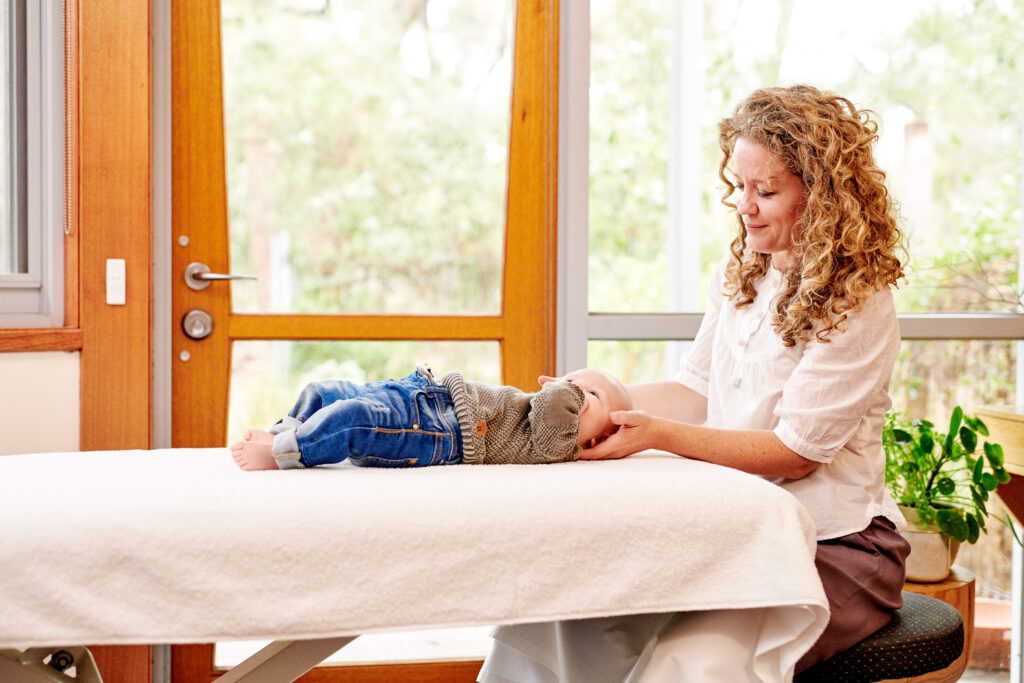
  • Birth trauma and developmental concerns in infants: After a difficult birth, babies may develop issues such as colic, feeding problems, poor sleep, or asymmetrical head shape (plagiocephaly), which can be addressed with gentle cranial osteopathic techniques.

  • Post-concussion symptoms: Individuals recovering from concussion or mild traumatic brain injury may benefit from cranial osteopathy to support healing and reduce lingering symptoms.

  • Vertigo, dizziness, nausea: Vertigo and dizziness may benefit from cranial osteopathy. These symptoms often arise when subtle tensions or restrictions in the bones, membranes, or tissues of the head and neck disrupt the balance mechanisms of the inner ear or compromise blood flow to the brain. Many patients report improvement in their sense of stability, reduction in spinning sensations, and an overall enhancement in equilibrium and wellbeing with cranial osteopathy. It’s important to note that cranial osteopathy does not replace conventional medical care but is often used as a complementary therapy.


Dr Christina Fraval

Orofacial Myofunctional Therapist

Osteopath BAppSc (ClinSc), BOsteoSc

Breathing Educator